

Recovering from colorectal cancer surgery is a personal journey, and no two experiences are exactly alike. How quickly you heal depends on factors such as the type of surgery, your overall health, and how your body responds to treatment. Knowing what to expect during recovery can help ease some of the uncertainty and give you the confidence to take the next steps in your healing.
In this guide, we walk you through the important stages of recovery, from your first days in the hospital to returning home, gradually resuming daily activities, and keeping up with follow-up care. Keep reading for guidance to support a smoother, more confident recovery.
Immediately After Surgery
The first few days following your colorectal cancer surgery are a critical time for your recovery. You will be under close medical supervision to ensure your healing process begins smoothly and safely.
Recovery in the Hospital
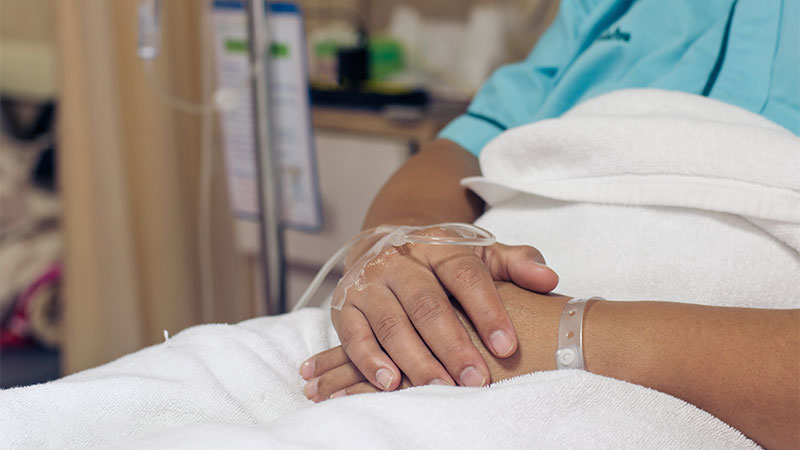
After surgery, you will be taken to a recovery room where your vital signs—such as heart rate, blood pressure, and breathing—are closely monitored. You will receive fluids and medications through intravenous (IV) drips, and may have temporary tubes, such as a urinary catheter, to assist your body during the initial recovery.
As your condition stabilises, these tubes will be removed, and you will gradually be reintroduced to drinking and eating. The typical hospital stay ranges from a few days to a week, depending on your procedure and overall recovery.
Pain and Discomfort Management
Some pain or discomfort around the incision site and abdomen is normal. Your medical team will prioritise your comfort, starting with IV pain medications and transitioning to oral options as you improve. Communicating your pain levels ensures that your doctors and nurses can adjust your treatment as needed.
Early Mobility and Physiotherapy
You will be encouraged to start moving and walking as soon as it is safe to do so, often within a day of your surgery. Early mobility can help prevent complications, such as blood clots in the legs and chest infections.
A physiotherapist or nurse will support you during your first few attempts to sit up, stand and walk. They will also guide you through gentle exercises to help improve your strength and mobility during your hospital stay.
Returning Home
Once stable, you will be discharged to continue your recovery at home. Your healthcare team will provide detailed instructions to help you navigate this next phase.
Caring for the Surgical Wound
Follow your surgeon’s instructions to keep the wound clean and dry. Watch for signs of infection, including increasing redness, swelling, warmth, unusual drainage, or fever, and contact your doctor immediately if any of these occur.
Managing a Stoma (If Applicable)
Depending on the type of surgery you had, you may have a temporary or permanent stoma—an opening on the abdomen that allows waste to exit the body into a collection bag (ostomy bag). Before you are discharged, a specialised stoma nurse will teach you how to manage it, including how to empty and change the bag and how to keep the skin around the stoma healthy.
Diet and Nutrition After Surgery
Your digestive system will need time to heal, so your diet will be adjusted accordingly. You will likely be advised to follow a low-residue or soft diet for the first few weeks, which includes foods that are easy to digest. It is best to avoid high-fibre foods (like whole grains and raw vegetables), spicy foods and items known to cause gas or bloating, such as beans, cabbage and carbonated drinks.
Bowel Function and Recovery
After surgery, you may experience changes in how often you have bowel movements or how they feel, such as increased urgency, loose stools or constipation. These adjustments are common and often improve as your body adapts.
However, if diarrhoea, constipation or abdominal cramping persists or becomes severe, it is important to update your care team so they can assess and manage these symptoms appropriately.
Follow-Up Care
Long-term monitoring is an essential part of your cancer plan to ensure your continued health and allow for early detection of any potential recurrence.
Follow-Up Appointments
Post-treatment, you will have scheduled follow-up appointments with your surgeon and medical team. These visits are essential for monitoring your recovery progress, addressing any concerns or side effects you may be experiencing and actively checking for signs of cancer recurrence.
During these appointments, your doctor may order specific tests, including blood work (like the carcinoembryonic antigen test) and imaging scans (such as CT or MRI scans). Additionally, you will require periodic colonoscopies to continuously monitor the health of your remaining colon and rectum.
When to Seek Immediate Medical Attention
While some symptoms are a normal part of recovery, others may indicate a problem that requires urgent attention. Seek immediate medical review if you develop high fever or chills, persistent nausea or vomiting, heavy rectal bleeding, excessive pain, or significant damage or redness around the incision site.
Returning to Normal Activities
Patience is key as you gradually ease back into your routine. Your body needs time to heal fully, so it is important not to rush the process.
Work and Daily Activities
The timeline for returning to work will depend on the type of surgery you had and your individual recovery progress. Many people can return to light work within a few weeks, but it may take longer for more physically demanding jobs.
Exercise and Physical Activity
Gentle exercise, such as walking, is beneficial for your recovery. It can help improve your strength, energy levels and overall well-being. As you heal, you can gradually increase the intensity and duration of your activities. Always follow your doctor’s advice before resuming more strenuous physical activities or starting a new exercise programme.
Sexual Health and Intimacy
Some people experience temporary changes in sexual function after colorectal surgery, particularly after rectal surgery. Do not hesitate to discuss any concerns with your doctor, as they can offer guidance and support.
Your Path Forward After Surgery
Recovery after colorectal cancer surgery is a gradual process that requires patience and self-care. Remember to communicate openly with your doctor about any concerns, complications or questions during this time. With a proper care plan and support, you can take positive steps toward resuming a healthy and fulfilling life.
At our clinic, surgeons Dr Dennis Koh, Dr Sharon Koh and Dr Pauleon Tan offer guidance through every phase of colorectal cancer treatment. With experience in both advanced surgical techniques and comprehensive post-operative care, we are dedicated to supporting you on your path to recovery and long-term health. Contact us today to schedule a consultation and learn how our specialists can help you navigate your recovery with confidence.
Our Colorectal Surgeons
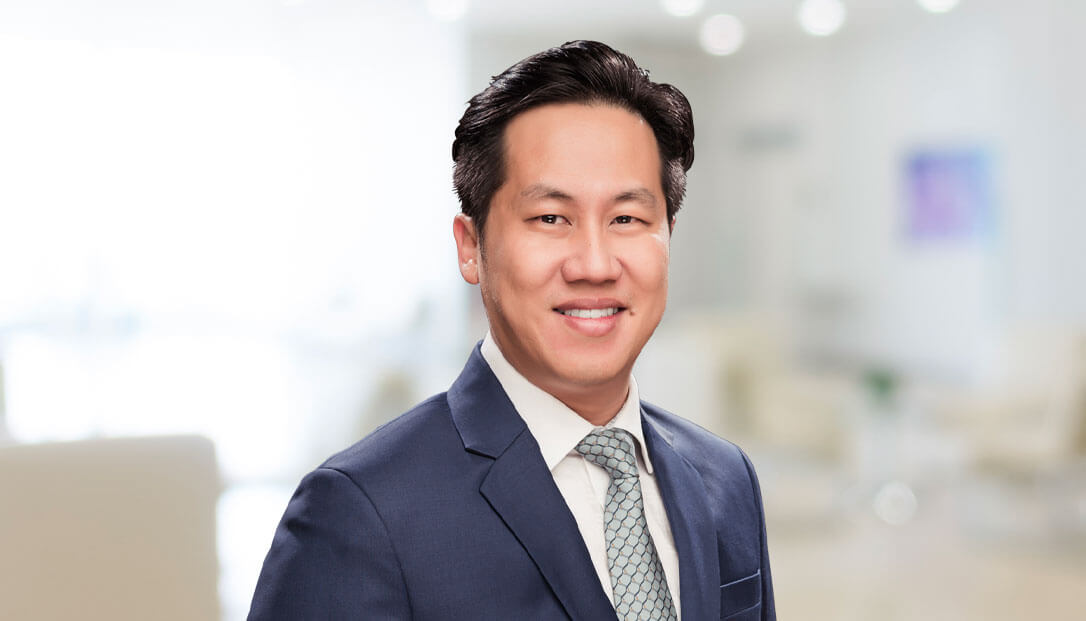
Dr Dennis Koh
Medical Director & Senior Consultant Surgeon
B Med Sci (Nottingham), MBBS (Nottingham)
MMed (Surgery), FRCS (Edinburgh), FAMS
Dr Dennis Koh is a MOH-accredited and experienced colorectal surgeon with specialised expertise in the management and treatment of colorectal cancer; and currently the Medical Director at Colorectal Practice.
Dr Koh strives to provide a customized treatment plan for each patient, which allows for better outcomes. He also honed his skills in proctology abRd in Geneva, bringing a more diverse touch to his practice.

Dr Sharon Koh Zhiling
Senior Consultant Surgeon
MBBS (Singapore), MMed (Surgery),
FRCS (Edinburgh), FAMS
Dr Sharon Koh is an experienced colorectal surgeon and the former Director of Endoscopy at Alexandra Health. She has subspecialty training in colorectal surgery, minimally invasive surgery, and advanced endoscopy — particularly in the field of colorectal cancer.
Dr Koh completed her fellowship at Cedars-Sinai Medical Centre in the US after being awarded the Academic Medicine Development Award by the National University Hospital.

Dr Pauleon Tan Enjiu
Senior Consultant Surgeon
MBBS (Singapore), MMed (Surgery),
FRCS (Edinburgh), FACS
Dr Pauleon Tan has served in public hospitals for over 15 years and is experienced in minimally invasive surgery and endoscopy. He is also experienced in the treatment for colorectal cancer, and strives to provide the best possible care to his patients.
Dr Tan undertook advanced colorectal surgical training at Japan’s Saitama International Medical Center after being awarded the Ministry of Health – Health Manpower Development Plan (HMDP) Award.