



Dr Dennis Koh
Medical Director & Senior Consultant Surgeon
B Med Sci (Nottingham), MBBS (Nottingham), MMed (Surgery), FRCS (Edinburgh), FAMS
Colon removal surgery, also known as a colectomy, may be recommended for conditions affecting the colon, such as cancer, severe diverticulitis or inflammatory bowel disease. Being advised to undergo this procedure can feel overwhelming, especially when concerns about complications and recovery arise. Therefore, developing a clear perspective on the clinical landscape and the journey toward rehabilitation is essential to easing anxiety and empowering you to make informed decisions about your surgical path.
What Is Colon Removal Surgery?
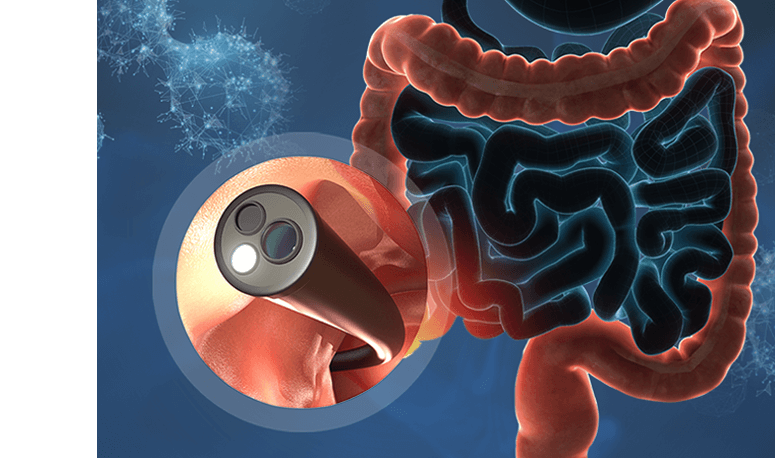
Colon removal surgery involves the excision of part or the entirety of the large intestine. This procedure is intended to remove diseased or damaged sections of the colon to restore health and prevent further complications. The surgery may also involve reconnecting the remaining parts of the colon or, in certain cases, creating a temporary or permanent stoma to manage bowel function.
While the thought of surgery can be daunting, a colectomy is generally considered safe when performed by an experienced surgeon. Preoperative assessments and postoperative monitoring also play a vital role in reducing potential complications.
Why Complications Can Occur
Complications following a colectomy often stem from the colon's critical role in fluid regulation and its close anatomical proximity to other vital organ systems.
- Anatomical Complexity: The colon is intricately connected to surrounding tissues and organs; surgical manipulation in this high-traffic area can inadvertently affect fluid balance or adjacent structures.
- Individual Health Profiles: Pre-existing conditions and the specific nature of the disease significantly influence how the body heals and responds to the stress of a major procedure.
- Surgical Methodology: The chosen approach—whether open or minimally invasive—directly impacts the physiological strain on the patient and the subsequent risk levels during recovery.
Factors That Increase the Risk of Complications
Before undergoing colon removal surgery, it is helpful to understand the factors that may increase the risk of complications. Recognising these risks in advance allows your care team to take appropriate precautions and optimise your recovery.
Patient-related Factors
Patients with pre-existing medical conditions such as diabetes, heart disease or respiratory disorders may face a higher risk of postoperative complications. These conditions can affect healing and the body's ability to respond to surgical stress.
Age is another important factor, as older adults may experience slower recovery and reduced physiological reserve. In addition, lifestyle factors such as smoking and poor nutrition can impair wound healing and increase the risk of infection.
Disease-related Factors
Advanced or widespread disease, such as extensive colon cancer, can require more extensive resections, increasing the risk of postoperative complications. Inflammatory bowel disease or previous abdominal surgeries may also lead to scar tissue, making the operation technically more challenging.
Surgical Factors
The method and extent of surgery are crucial determinants of risk. Open surgery tends to involve larger incisions and longer recovery times, while minimally invasive laparoscopic procedures may reduce immediate postoperative complications. However, the surgeon's experience, the duration of the operation and intraoperative challenges can all affect outcomes.
Risks Associated with Colectomy
Even though colon removal is generally safe, it is important to be aware of potential risks. Common concerns that patients may encounter during and shortly after surgery may include:
Risks Related to Anaesthesia
Anaesthesia is generally safe, but it carries potential risks, particularly for patients with pre-existing medical conditions. Complications may include respiratory issues, adverse reactions to medications and cardiovascular events. Anaesthetists in Singapore carefully evaluate patients before surgery to minimise these risks.
Bleeding and Blood Clots
Bleeding during or after surgery is a recognised risk. While most cases are manageable, some may require interventions such as transfusions or additional procedures. Blood clots can also develop in the legs or lungs, leading to deep vein thrombosis or pulmonary embolism. Early mobilisation, monitoring and preventative medications are essential strategies to reduce this risk.
Infection
After colorectal cancer treatment, infections may occur at the surgical site, within the abdomen or in other areas such as the urinary tract or lungs. Signs include fever, pain, redness or discharge. Prompt recognition and treatment with antibiotics or other interventions are necessary to prevent serious outcomes.
Possible Complications After Colon Removal Surgery
Some patients may experience complications after colon removal, as the body requires time to adapt to anatomical changes and heal from a major surgical procedure. These include:
Pain and Discomfort
Postoperative pain is common and can vary in intensity. Effective pain management is crucial for recovery, as uncontrolled pain can hinder mobility and prolong hospital stays.
Bowel Function Changes
Changes in bowel habits, including increased frequency, urgency or loose stools, are common after colon removal surgery. These symptoms often improve over time but may require dietary adjustments, medications or guidance from a specialist.
Temporary Bowel Paralysis
Paralysis of the bowel, or ileus, can occur after surgery, resulting in bloating, nausea or delayed bowel movements. Monitoring and supportive care are essential until normal bowel function resumes.
Urinary or Bladder Issues
Some patients experience difficulties with urinary function postoperatively. This may include temporary retention, frequency or incontinence, which usually improves with time and supportive measures.
Anastomotic Leak
An anastomotic leak occurs when the connection between bowel sections fails to heal properly, allowing contents to leak into the abdominal cavity. This can lead to serious infection, abscess formation or sepsis, often requiring prompt intervention.
Long-term and Lifestyle-related Complications
While most immediate complications are managed during recovery, some issues can persist or emerge over time. These may include:
Persistent Changes in Bowel Habits
Some patients experience long-term alterations in bowel movements. Management strategies include dietary modification, hydration and medications tailored to individual needs.
Nutritional and Absorption Issues
Partial removal of the colon can affect nutrient and water absorption. This may put patients at risk of dehydration or deficiencies in certain vitamins and minerals. Nutrition counselling and regular monitoring can help manage these issues effectively.
Stoma-related Complications (If Applicable)
For patients with a stoma, complications may include skin irritation, leakage or stoma prolapse. Education on stoma care and regular follow-ups with specialised nurses can help reduce the impact on daily life.
Strategies to Reduce Complication Risks

Although complications can occur, there are practical steps that patients can take before and after surgery to minimise risks and support a smoother recovery.
Pre-surgical Preparation
Preparation before surgery is key to reducing risks. Patients are encouraged to:
- Attend all preoperative assessments and follow medical advice.
- Optimise nutrition and hydration.
- Cease smoking and manage chronic conditions.
- Discuss medications and supplements with the surgeon.
Post-surgical Care and Monitoring
After surgery, careful monitoring is critical. Patients should:
- Follow postoperative instructions for wound care, diet and activity.
- Recognise and report warning signs such as fever, severe pain or changes in bowel function.
- Attend scheduled follow-ups with surgeons and stoma nurses if applicable.
- Engage in gradual mobilisation to support recovery and reduce clot risks.
Navigating Your Colon Removal Recovery with Confidence
Colon removal surgery is a significant clinical undertaking, yet understanding the potential risks and recognising early warning signs are the first steps toward a safe and successful outcome. By engaging in proactive postoperative care and maintaining open communication with your surgical team, you can manage the recovery process effectively and preserve your long-term quality of life.
If you are scheduled for a colectomy or are seeking a specialist opinion, an early consultation with Dr Dennis Koh at Colorectal Practice can help clarify the necessary steps to take before and after your procedure. Our team provides a structured clinical plan tailored to your unique health profile, ensuring that all safety protocols are met while empowering you to move forward with your treatment with clarity and confidence.
To discuss your surgical options or to seek expert guidance on managing postoperative recovery, please contact us at 6262 1226 or book an appointment via our website today.
Our Colorectal Surgeons
Dr Dennis Koh
Medical Director & Senior Consultant Surgeon
B Med Sci (Nottingham), MBBS (Nottingham)
MMed (Surgery), FRCS (Edinburgh), FAMS
Dr Dennis Koh is a MOH-accredited and experienced colorectal surgeon with specialised expertise in the management and treatment of colorectal cancer; and currently the Medical Director at Colorectal Practice.
Dr Koh strives to provide a customized treatment plan for each patient, which allows for better outcomes. He also honed his skills in proctology abRd in Geneva, bringing a more diverse touch to his practice.

Dr Sharon Koh Zhiling
Senior Consultant Surgeon
MBBS (Singapore), MMed (Surgery),
FRCS (Edinburgh), FAMS
Dr Sharon Koh is an experienced colorectal surgeon and the former Director of Endoscopy at Alexandra Health. She has subspecialty training in colorectal surgery, minimally invasive surgery, and advanced endoscopy — particularly in the field of colorectal cancer.
Dr Koh completed her fellowship at Cedars-Sinai Medical Centre in the US after being awarded the Academic Medicine Development Award by the National University Hospital.

Dr Pauleon Tan Enjiu
Senior Consultant Surgeon
MBBS (Singapore), MMed (Surgery),
FRCS (Edinburgh), FACS
Dr Pauleon Tan has served in public hospitals for over 15 years and is experienced in minimally invasive surgery and endoscopy. He is also experienced in the treatment for colorectal cancer, and strives to provide the best possible care to his patients.
Dr Tan undertook advanced colorectal surgical training at Japan’s Saitama International Medical Center after being awarded the Ministry of Health – Health Manpower Development Plan (HMDP) Award.