

Dr Dennis Koh
Medical Director & Senior Consultant Surgeon
B Med Sci (Nottingham), MBBS (Nottingham), MMed (Surgery), FRCS (Edinburgh), FAMS
Colon cancer is a significant health concern in Singapore, and receiving this diagnosis can raise many difficult questions. One of the most common concerns patients have is whether surgery can offer a cure.
While the suitability of surgery depends on the stage of the disease, it often serves as the primary clinical tool for achieving a stable recovery. Learning how surgery fits into your treatment plan and what to expect along the way can help you feel more prepared and supported as you navigate the next steps.
When Is Surgery Considered?
Surgery is often the primary treatment for colon cancer, particularly when the tumour remains confined to the colon or nearby lymph nodes. Its main objective is the complete removal of the primary lesion and a margin of healthy tissue to ensure clinical clearance.
In Singapore, surgeons may also recommend surgical intervention to address symptoms that impact a patient's quality of life. This includes relieving bowel obstructions, controlling persistent bleeding, or managing localised pain, ensuring the treatment plan addresses both the disease and its immediate physical effects.
Understanding Colon Cancer Stages and When Surgery Is Considered
Colon cancer occurs when abnormal cell growth in the large intestine forms a primary tumour. The stage of the disease is the most critical factor in determining the surgical approach and the long-term clinical outlook for the patient.
Staging identifies the extent of cancer infiltration, which guides the surgical team to decide whether surgery will be the standalone treatment or part of a multi-modal plan:
- Stage 0: The cancer is confined to the innermost lining of the colon. Surgical removal of the lesion is often sufficient to resolve the condition.
- Stage I: The tumour has grown into the deeper layers of the colon wall but has not breached it. Surgery is the standard intervention and typically offers a high rate of successful resolution.
- Stage II: The cancer has extended through the colon wall but has not yet reached the lymph nodes. While surgery remains the primary treatment, adjuvant chemotherapy may be considered for patients with high-risk clinical features.
- Stage III: The disease has spread to regional lymph nodes. A combination of surgery to remove the primary tumour and chemotherapy to address potential microscopic spread is the standard clinical path.
- Stage IV: The cancer has metastasised to distant organs, such as the liver or lungs. While surgery may not be the primary means of clearing the disease, it's often used selectively to manage complications like obstructions or as part of a targeted strategy to remove secondary tumours.
Types of Surgical Procedures for Colon Cancer
Several surgical approaches are used to treat colon cancer, and the choice depends on the stage of the disease, tumour location, and overall health of the patient. Each procedure aims to remove the cancer while preserving bowel function where possible.
Local Resection
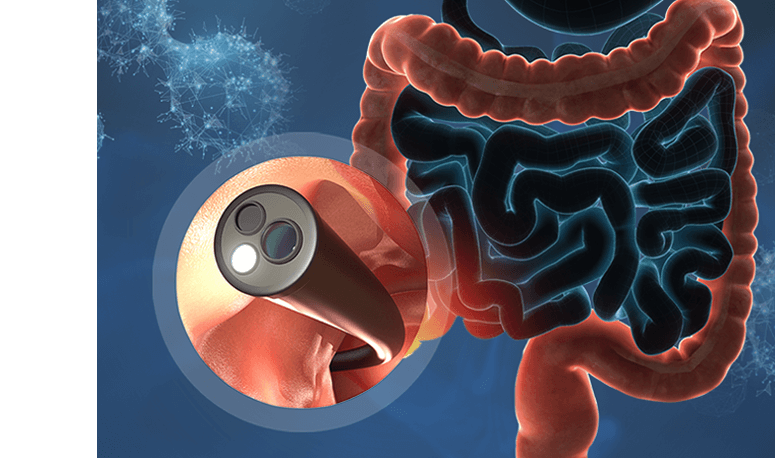
Local resection, sometimes performed during a colonoscopy, removes early-stage tumours or polyps from the lining of the colon. This approach is typically reserved for very small cancers confined to the innermost layers of the colon and is less invasive than other surgical options.
Colectomy
A colectomy involves removing the portion of the colon that contains the tumour. The exact type of surgery depends on the tumour's location and extent:
- Partial or Segmental Colectomy: This procedure removes the section of the colon affected by cancer together with a margin of healthy tissue to ensure complete tumour clearance.
- Right or Left Hemicolectomy: Depending on the tumour's position, either the right or left side of the colon is removed.
- Total Colectomy: In selected cases, the entire colon is removed. This approach is uncommon and is usually reserved for patients with multiple tumours or specific inherited conditions.
In addition, nearby lymph nodes are removed during colon cancer surgery for laboratory analysis. Examining these nodes helps determine the cancer stage and guides decisions about further treatment.
Minimally Invasive Approaches (Laparoscopic, Robotic)
Laparoscopic surgery involves small incisions and specialised instruments to remove the tumour, which may lead to shorter hospital stays and reduced postoperative discomfort. In selected cases, robotic-assisted surgery provides enhanced visualisation, precision and flexibility, particularly when operating on tumours located in technically challenging areas.
Colostomy
In cases where the colon cannot be reconnected immediately, a colostomy may be created. This involves bringing part of the colon to the surface of the abdomen to allow waste to exit into a bag. Depending on the patient's situation, the colostomy can be temporary or permanent.
Metastasectomy
If colon cancer has spread to distant organs such as the liver or lungs, a metastasectomy may be performed to remove secondary tumours. This is often combined with systemic treatments to improve overall outcomes.
Receive Expert Guidance for Your Colon Cancer Treatment
Ultimately, surgery remains a cornerstone of treatment for colon cancer in Singapore, offering a clear clinical path for patients, particularly when the disease is identified in its early stages. At Colorectal Practice, a personalised treatment plan allows for a realistic assessment of benefits and risks, ensuring that surgical interventions are timed effectively to prevent unnecessary delays in care.
If you or a loved one has received a diagnosis, an early consultation with our specialist, Dr Dennis Koh, is a vital step toward managing your health. A thorough clinical evaluation clarifies the suitability of various surgical approaches and helps establish clear expectations for your recovery, empowering you to make informed decisions with confidence.
To discuss your treatment options or to seek a second opinion from our colorectal team, please contact us at 6262 1226 or book an appointment via our website today.
Frequently Asked Questions About Colon Cancer Surgery
How long is the recovery after colon cancer surgery?


Will I need a colostomy bag?
What are the chances of cancer returning after surgery?
How do I prepare for colon cancer surgery?
When might colon cancer surgery not be curative?
What are the risks or complications of surgery?
Our Colorectal Surgeons
Dr Dennis Koh
Medical Director & Senior Consultant Surgeon
B Med Sci (Nottingham), MBBS (Nottingham)
MMed (Surgery), FRCS (Edinburgh), FAMS
Dr Dennis Koh is a MOH-accredited and experienced colorectal surgeon with specialised expertise in the management and treatment of colorectal cancer; and currently the Medical Director at Colorectal Practice.
Dr Koh strives to provide a customized treatment plan for each patient, which allows for better outcomes. He also honed his skills in proctology abRd in Geneva, bringing a more diverse touch to his practice.

Dr Sharon Koh Zhiling
Senior Consultant Surgeon
MBBS (Singapore), MMed (Surgery),
FRCS (Edinburgh), FAMS
Dr Sharon Koh is an experienced colorectal surgeon and the former Director of Endoscopy at Alexandra Health. She has subspecialty training in colorectal surgery, minimally invasive surgery, and advanced endoscopy — particularly in the field of colorectal cancer.
Dr Koh completed her fellowship at Cedars-Sinai Medical Centre in the US after being awarded the Academic Medicine Development Award by the National University Hospital.
Dr Pauleon Tan Enjiu
Senior Consultant Surgeon
MBBS (Singapore), MMed (Surgery),
FRCS (Edinburgh), FACS
Dr Pauleon Tan has served in public hospitals for over 15 years and is experienced in minimally invasive surgery and endoscopy. He is also experienced in the treatment for colorectal cancer, and strives to provide the best possible care to his patients.
Dr Tan undertook advanced colorectal surgical training at Japan’s Saitama International Medical Center after being awarded the Ministry of Health – Health Manpower Development Plan (HMDP) Award.